
How Do You Know If Your Mattress Is Too Old?
You can get used to a bad mattress slowly. That is what makes the problem tricky. A mattress does not usually fail all at once. Instead, it loses support bit by bit, and your sleep often gets worse before you realise what changed.
If you have been wondering, how do you know if your mattress is too old, the answer usually comes down to three things: its age, its condition, and how you feel after sleeping on it. Visible wear matters, but so do subtle clues like waking up stiff, sleeping better away from home, or noticing new dips where your body rests each night.
In this guide, we will walk through the most common signs of an old mattress, the hidden issues many people miss, and how to identify old mattress problems before they affect your comfort even more.
How Long Should a Mattress Actually Last?
Most mattresses last around 7 to 10 years, though the exact lifespan depends on the materials, build quality, and how often the mattress is used.
As a general guide:
• Spring mattresses often last around 7 to 8 years
• Foam mattresses may last around 5 to 7 years
• Latex mattresses can sometimes last longer with proper care
• Guest room mattresses may last longer because they are used less often
Sleep experts often point to the 8-year mark as a useful benchmark for checking your mattress more closely. That does not mean every mattress becomes too old at exactly 8 years, but it is a good time to assess support, comfort, and wear.
A mattress can also age faster if:
• It is used every night by two people
• The sleeper has a higher body weight
• The bed base does not support it properly
• It has been exposed to moisture, heat, or poor ventilation
• It has rarely been rotated when recommended
How to Know How Old Your Mattress Is
A surprising number of people are not sure when they bought their mattress. If that sounds familiar, try these simple ways to work it out:
Check the law tag or manufacturer label
Many mattresses have a sewn-in tag that includes the manufacturing date. It is often found near the head or side edge.
Search old receipts or emails
Look through your email inbox, store account, or bank statements for the purchase.
Think about life milestones
If you cannot find a record, tie the purchase to a major event, such as:
• Moving house
• Getting married
• Renovating a bedroom
• Buying other bedroom furniture at the same time
Even an estimate can help you decide whether the mattress may now be getting too old.
Physical Signs Your Mattress Is Too Old
The most obvious clues are often right in front of you. If the mattress looks worn, it may no longer be supporting you well.
Sagging or body impressions
If you can see dips where you usually sleep, that is a major warning sign. A mattress should keep a fairly even surface. Permanent impressions can throw your spine out of alignment and reduce support.
Lumps or uneven areas
Foam and filling materials can shift or break down over time. That can leave the surface feeling bumpy, patchy, or uneven.
Noisy springs
If an innerspring mattress squeaks, creaks, or groans with movement, internal parts may be wearing out.
Frayed edges or visible damage
Torn fabric, weak side walls, or collapsed edges can all point to age and breakdown.
These are classic signs of an old mattress, especially when more than one appears at the same time.
Health and Sleep Signs Your Mattress Is Too Old
Sometimes the mattress tells you more through your body than through visible damage.
You wake up stiff or sore
Regular morning back pain, shoulder tension, or hip discomfort can be linked to poor mattress support. While pain can have many causes, your mattress is worth checking if symptoms ease as the day goes on.
You toss and turn more often
A worn mattress may create pressure points or unstable support, which can lead to more movement during the night.
You wake feeling tired
Adults generally need at least 7 hours of sleep per night for good health. If you spend enough time in bed but still wake drained, poor sleep quality could be part of the issue.
Allergy symptoms seem worse in bed
Over time, mattresses can collect dust, skin cells, and other allergens. If you wake with a blocked nose, itchy eyes, or sneezing, the mattress may be contributing.
It is important to keep this in perspective. A mattress is not the only cause of pain, tiredness, or allergy symptoms. But when these issues line up with an older, worn bed, they are worth paying attention to.
Hidden Signs People Often Miss
Some mattress problems are easy to overlook because they become normal over time.
You cling to one “comfortable” spot
If only one small area feels decent and the rest of the mattress feels wrong, the support may have become uneven.
The edge feels weak when you sit down
Weak edges can mean the structure is breaking down, even if the middle still looks fine.
You feel your partner move more than before
As mattresses age, motion control can decline. If every turn or shift wakes you up, the materials may not be absorbing movement like they once did.
It feels hotter at night
Older mattresses can trap more heat if foams have compacted or airflow has reduced over time.
If you are trying to identify old mattress issues, these less obvious changes can be just as telling as visible sagging.
The “Sleep Elsewhere” Test — The Most Telling Sign of All
One of the clearest clues is how you sleep in another bed.
If you stay in a hotel, spare room, or at a family member’s house and suddenly:
• fall asleep faster
• wake less often
• feel less sore in the morning
• sleep more deeply
your mattress at home may be the issue.
This test is useful because it removes habit from the equation. Many people adjust to a poor mattress without noticing. Sleeping elsewhere gives you a direct comparison.
What Causes a Mattress to Age and Break Down?
All mattresses wear out eventually, but some factors speed up the process.
Daily pressure
Your body weight presses on the same areas night after night. Over time, comfort layers compress and support systems weaken.
Moisture and humidity
We all release moisture during sleep. Without good airflow, that moisture can build up and affect materials over time.
Lack of rotation
Some mattresses benefit from regular rotation. This helps spread wear more evenly.
Poor foundation support
A mattress needs the right base. If the foundation slats are too wide, weak, or uneven, the mattress may wear out sooner.
The Real Cost of Sleeping on an Old Mattress
People often put off replacing a mattress because the old one still feels “good enough.” But sleeping on an ageing bed can come with hidden costs.
These may include:
• poorer sleep quality
• more aches and stiffness
• less comfort for reading or relaxing in bed
• more partner disturbance through the night
• a bedroom that no longer feels as restful
If your mattress affects your sleep night after night, that cost adds up quickly. Sleep is not just downtime. It affects mood, focus, energy, and recovery.
You may need to replace your mattress soon if:
• it is around 8 to 10 years old
• it has visible sagging or lumps
• you wake up sore most mornings
• you sleep better in other beds
• it no longer feels supportive or comfortable
You may be able to wait a little longer if:
• the mattress is still structurally sound
• there are no visible impressions or breakdown spots
• your sleep quality is still good
• discomfort seems linked to another clear cause
If you are unsure, start with a full inspection. Check the surface, edges, base support, and overall feel. When several signs of an old mattress appear together, replacement is usually the smarter move.
Ready to Replace Your Mattress?
If your current mattress is showing its age, exploring newer options can help you find better support and comfort for the way you sleep now.
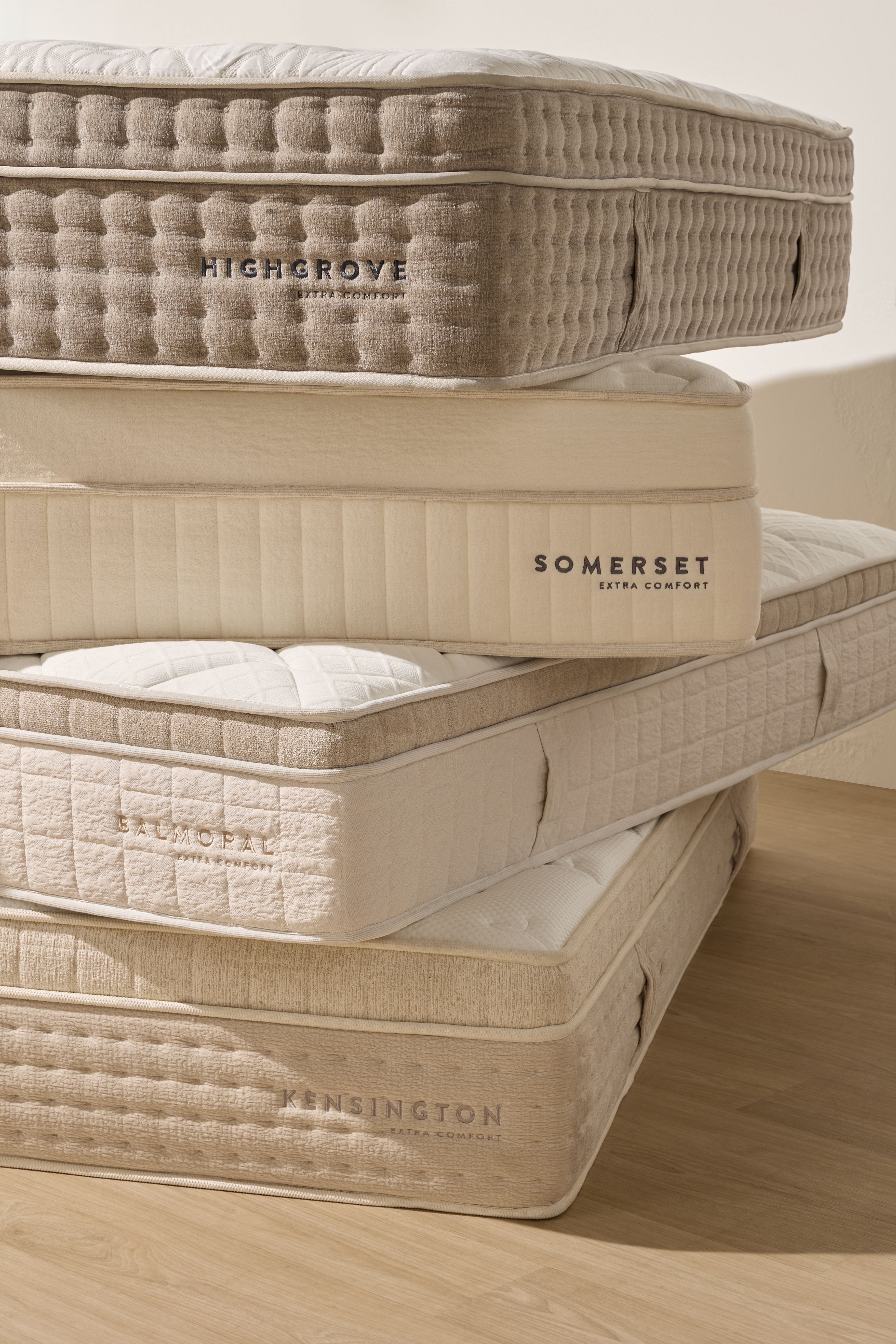
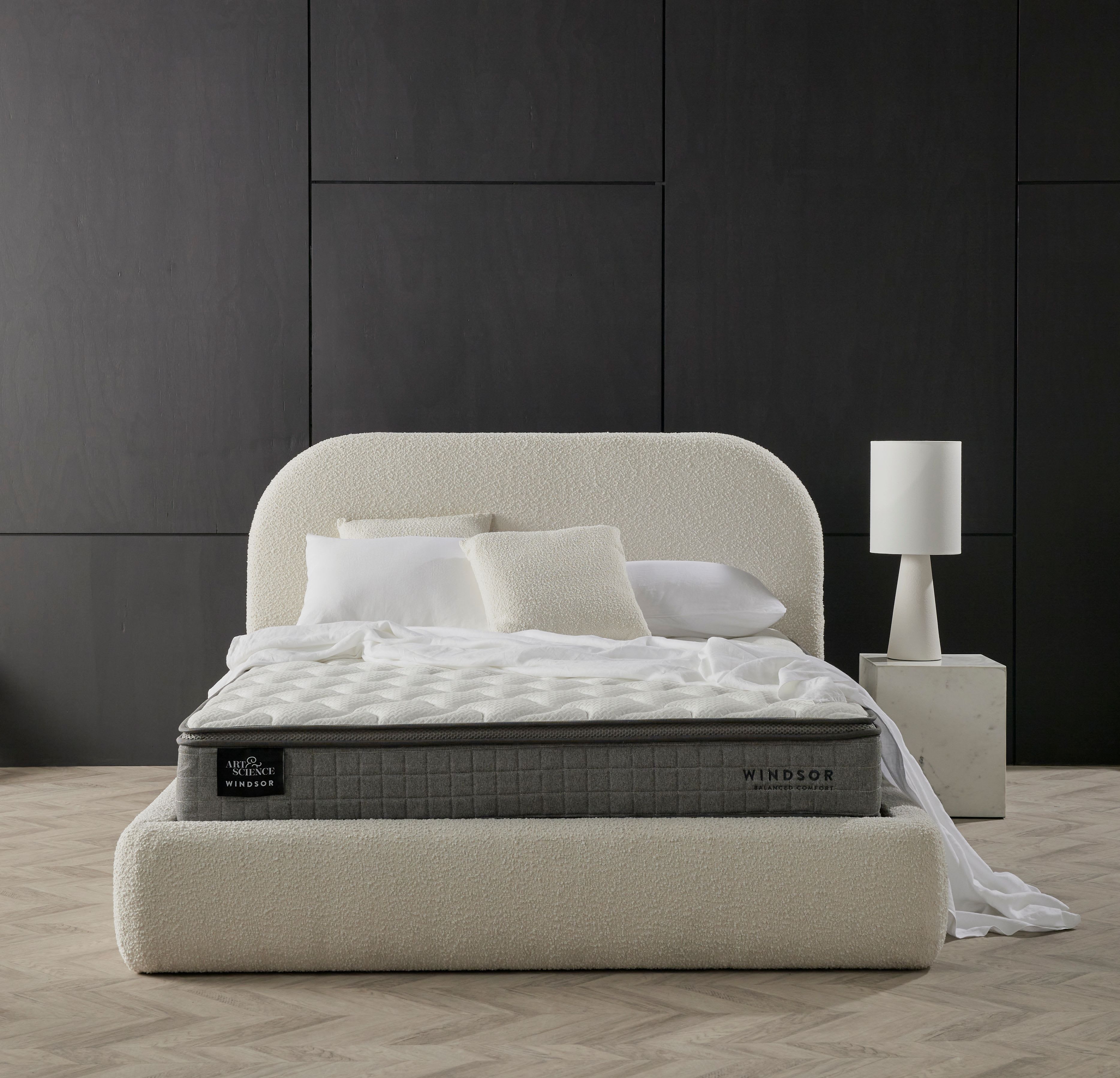
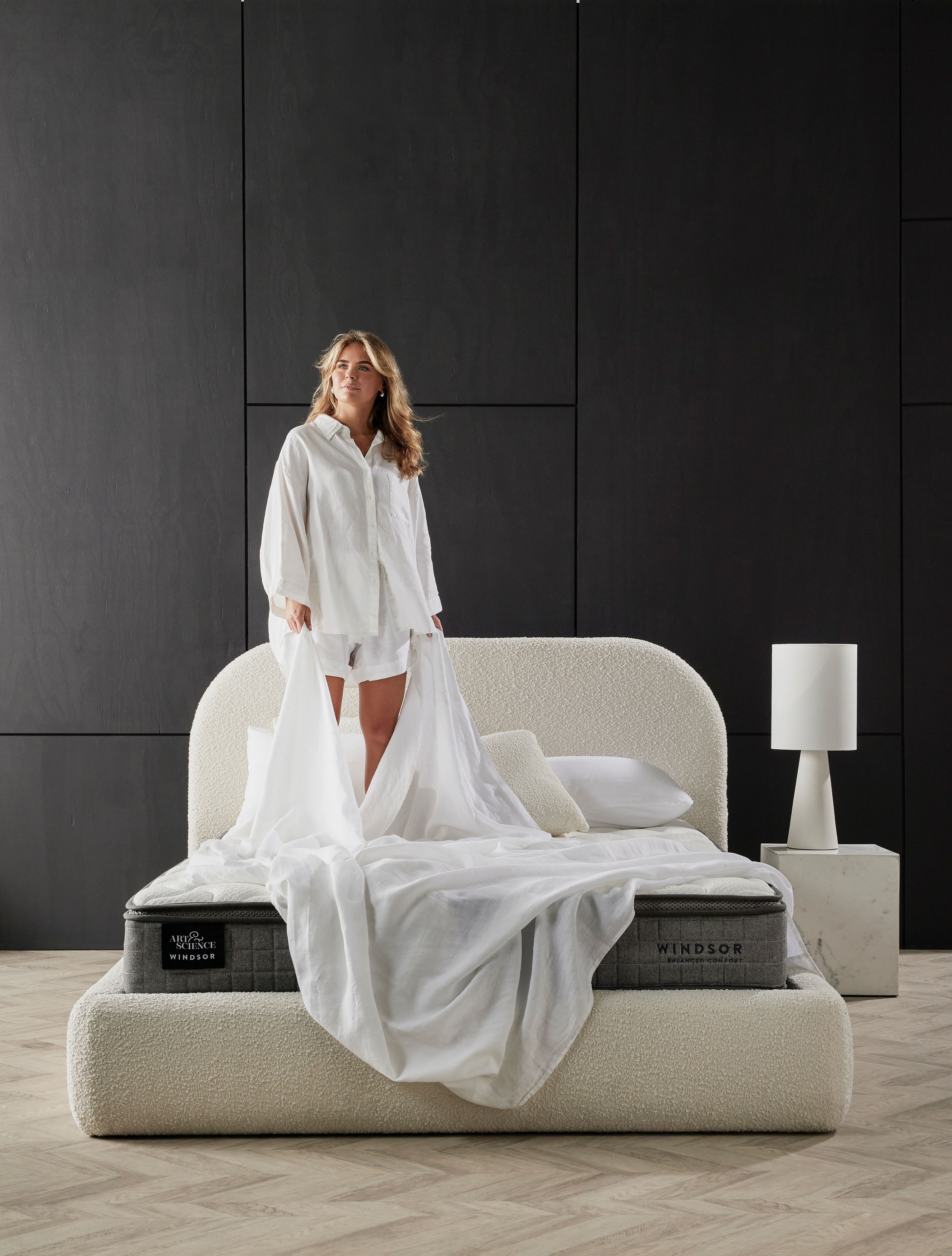
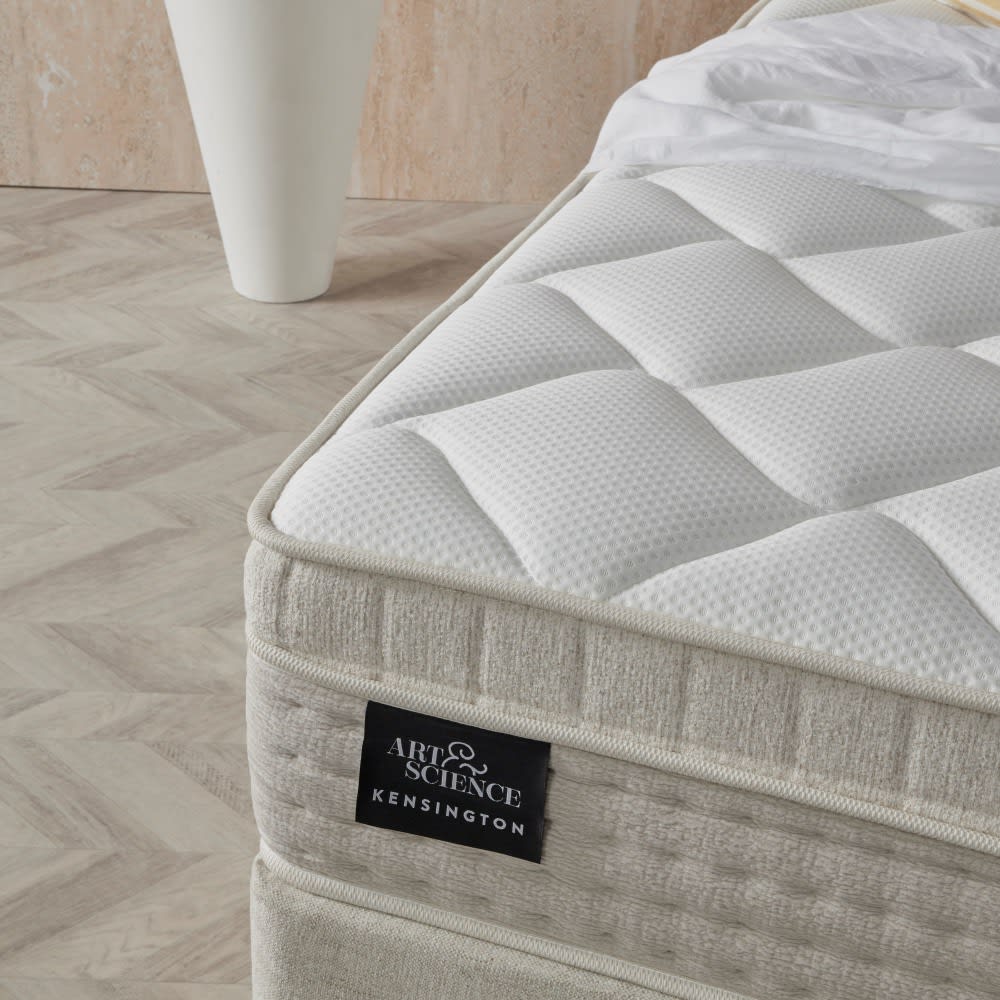
At Sleeping Giant, you can browse a wide range of mattresses to compare different feels and support levels. Options worth exploring include:
• Windsor
• Kensington
• Highgrove
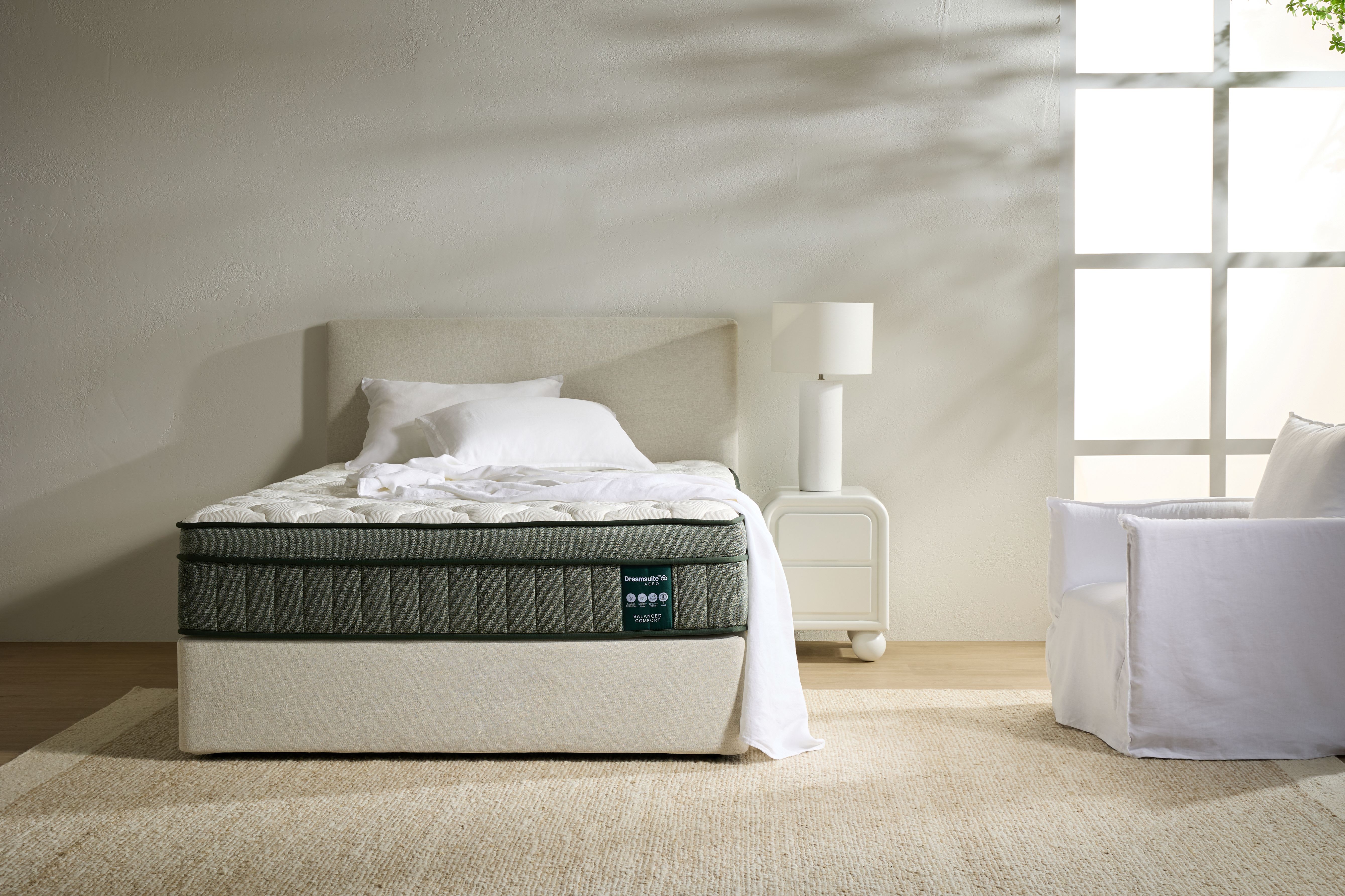
• Dreamsuite Aero
You can also view the full collection of mattresses to compare styles and features, or visit the Sleeping Giant to explore more bedroom furniture and sleep solutions.



Frequently Asked Questions
Is it unhealthy to sleep on an old mattress?
An old mattress can affect sleep quality, comfort, and support. It may also hold more dust and allergens over time. While it is not always harmful on its own, a worn mattress can make it harder to sleep well and wake comfortably.
Can an old mattress cause sciatica?
A mattress does not directly cause every case of sciatica, but poor support may worsen pressure and discomfort for some sleepers. If symptoms are ongoing or severe, it is best to speak with a qualified health professional.
Is a 10-year-old mattress too old?
In many cases, yes. A 10-year-old mattress is often near or past the point where materials start to break down. If it also shows sagging, lumps, or reduced comfort, it is likely time to replace it.
Can a 10 year old mattress cause back pain?
It can contribute to back pain if it no longer supports your body properly. Sagging and uneven wear are common issues in older mattresses.
What are the most obvious signs it’s time for a new mattress?
The clearest signs include:
• visible sagging
• lumps or uneven spots
• noisy springs
• waking up sore or tired
• sleeping better somewhere else
Is a 20-year-old mattress too old?
Yes, in most cases a 20-year-old mattress is far beyond its expected lifespan. Even if it still looks usable, the support materials are likely well worn.
If you have been asking yourself, how do you know if your mattress is too old, the best answer is simple: check the age, inspect the condition, and pay attention to how you sleep. When your mattress stops supporting restful sleep, it may be time to move on.