
Rug Sizes in Australia
The right rug can pull a whole room together. The wrong size can leave it feeling awkward, cramped, or somehow unfinished. If you have ever bought a rug that looked perfect online, only to see it swim in an ocean of bare floor at home, you already know the problem.
This guide walks you through rug sizes in Australia from start to finish. You will learn the standard dimensions, how to measure your space, which size suits each room, and the common mistakes worth dodging. There is also a quick cheat sheet at the end to make shopping easier.
Why Rug Size Matters
Size is the single biggest factor in how a rug feels in a room. Too small, and it looks like a stamp lost in the middle of your floor. Too large, and it can crowd the space or run awkwardly under doors.
The right size does a few important things:
-
It anchors your furniture and defines a zone within a room.
-
It balances the scale of your interior so nothing feels off.
-
It adds warmth, comfort, and a sense of style underfoot.
Get the size right and the shape, material, and colour all have a chance to shine.
Standard Rug Sizes in Australia
Australian rug sizes are usually listed in centimetres. While brands vary slightly, most stock a familiar set of dimensions.
|
Size name |
Approx. dimensions (cm) |
Common use |
|
Small |
120 × 170 |
Bedsides, entryways, reading nooks |
|
Medium |
160 × 230 |
Small living rooms, under a coffee table |
|
Large |
200 × 290 |
Main living areas, dining rooms |
|
Extra large |
240 × 330+ |
Open-plan spaces, big lounges |
|
Runner |
80 × 300 |
Hallways, kitchens, bed foot |
Use these as a starting point, then measure your own space to confirm the best fit.
How to Measure Your Space for a Rug
Measuring first saves you plenty of guesswork. Grab a tape measure and follow these steps:
-
Measure the length and width of the area you want the rug to sit in.
-
Mark out the rug's footprint using painter's tape or newspaper.
-
Leave an even border of bare floor around the edges, usually 20–40 cm.
-
Check the rug won't block doors or sit unevenly under heavy furniture.
Seeing the outline in real life beats guessing from a screen every time.
Rug Shapes Explained
The shape of a rug should echo the shape of your space or furniture.
-
Rectangular: The most versatile shape, suited to most rooms.
-
Square: Great for square rooms or under a square coffee table.
-
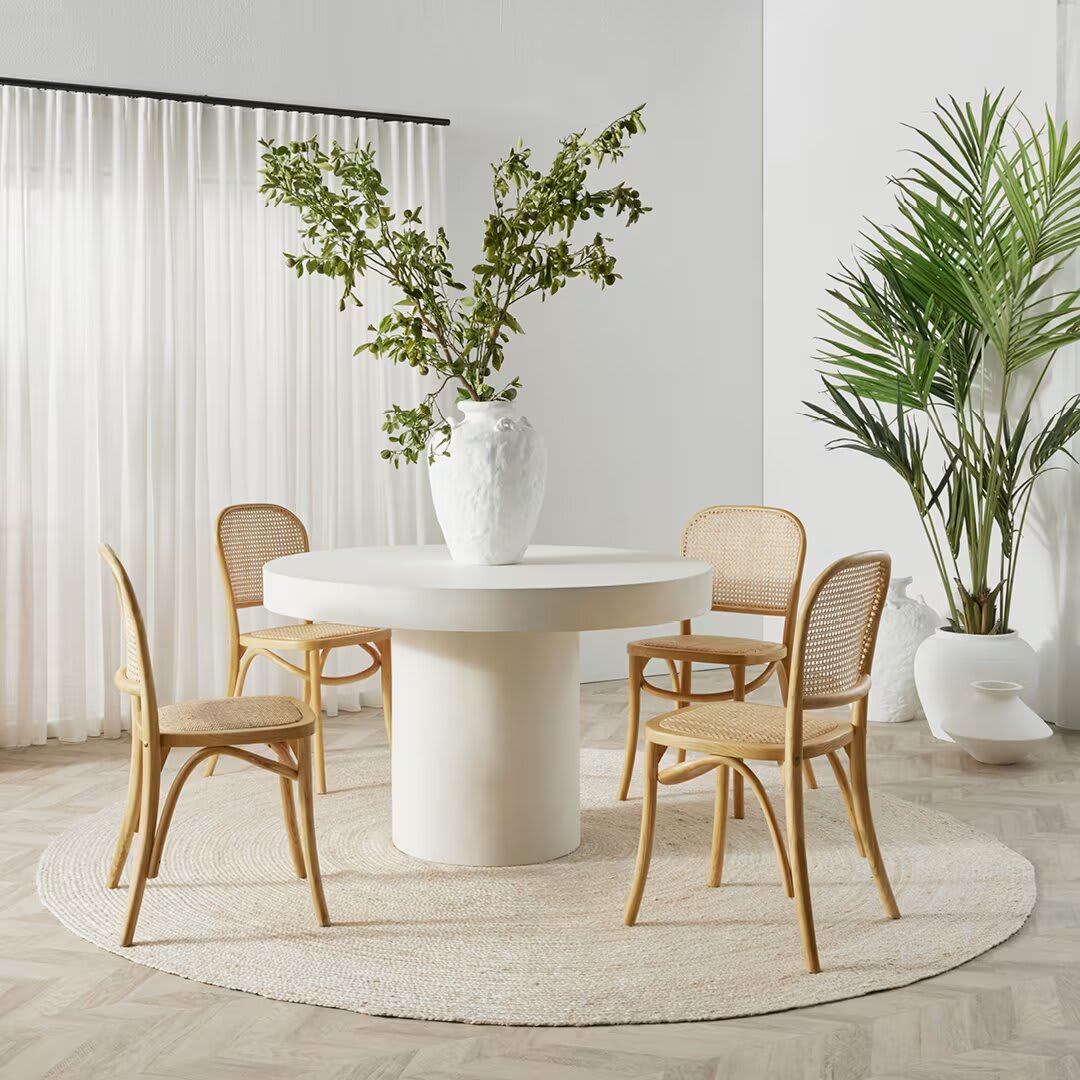
Round: Softens sharp corners and works well in entryways or under round tables.
-
Runner: A long, narrow shape built for hallways and galley kitchens.
You can browse options by rug shape to match the layout you're working with.
Choosing the Right Rug Size Room by Room
Every room has its own rules. Here's a quick guide.
Living room
Aim for a rug large enough that at least the front legs of your sofa sit on it. This ties the seating together. A large or extra large rug usually works best.
Dining room
Choose a rug that extends around 60 cm beyond the table on all sides. That way, chairs stay on the rug even when pulled out.
Bedroom
For a queen bed, a large rug placed under the lower two-thirds of the bed frames the space nicely. You can also use two runners on either side.
Rug Sizes for Apartments and Small Spaces
Smaller homes need a little more care. A rug that's too big can shrink a room, while one that's too small can make it feel disjointed.
-
Let the rug define a zone, such as a lounge nook or study corner.
-
Keep some floor visible around the edges to create a sense of space.
The right rug can make a small interior feel purposeful rather than cluttered.
Rug Sizes for Kids' Rooms and Nurseries
A rug adds softness and a safe play surface for little ones.
-
Leave a clear border so the rug doesn't creep under cots or drawers.
-
Round rugs work beautifully in play corners.
Look for a durable, easy-clean material, since spills and mess come with the territory.
Layering Rugs
Layering is a simple way to add depth and texture to a room. The trick is to combine sizes and styles thoughtfully.
-
Start with a large, neutral base rug.
-
Add a smaller patterned rug on top at an angle or centred.
-
Mix materials, such as a jute base with a soft wool top layer.
This look adds warmth and personality without a full redesign.
Common Rug Size Mistakes to Avoid
A few simple slip-ups catch out plenty of shoppers:
-
Going too small. This is the most common mistake by far.
-
Ignoring furniture placement. Measure around your sofa and table, not just the room.
-
Forgetting door clearance. A thick rug can jam under swinging doors.
-
Skipping the border rule. Leave even bare floor around the edges for balance.
Quick Reference Rug Size Cheat Sheet
|
Room |
Suggested size (cm) |
Placement tip |
|
Living room |
200 × 290 or larger |
Front sofa legs on the rug |
|
Dining room |
240 × 330 |
60 cm clearance around the table |
|
Bedroom (queen) |
200 × 290 |
Under lower two-thirds of bed |
|
Hallway |
80 × 300 runner |
Even gap on each side |
|
Nursery |
160 × 230 |
Clear border around furniture |
You can shop by rug size, material, or style to narrow things down.

Frequently Asked Questions
What size rug do I need for a queen bed?
A large rug of around 200 × 290 cm works well. Place it under the lower two-thirds of the bed so it frames the space and feels soft underfoot when you step out.
What size rug fits a 6-seater dining table?
Look for a rug around 240 × 330 cm. This allows about 60 cm of clearance on each side, so chairs stay on the rug even when pulled out.
Should a rug touch the walls?
No. Leave a border of bare floor, usually 20–40 cm, around the edges. This helps the room feel balanced rather than carpeted wall to wall.
How much floor space should show around a rug?
As a general rule, aim for 20–40 cm of visible floor around the rug. In smaller rooms, a slightly narrower border is fine.
What size rug is best for a small apartment?
A medium rug of about 160 × 230 cm usually suits compact spaces. Use it to define a zone, such as a lounge or study nook, while keeping some floor visible.
