
Ways to Fall Asleep Fast: Proven Tips for a Better Night's Sleep
Falling asleep should feel simple, but for many people it doesn't. You get into bed tired, then your mind speeds up, the room feels too warm, or you suddenly remember everything you forgot to do that day. The good news is that better sleep often starts with a few practical changes. If you want a better night's sleep, start here.
Why Some People Struggle to Fall Asleep
Trouble falling asleep usually comes from stress, caffeine, irregular sleep times, a bright or warm bedroom, or going to bed before you're truly sleepy. For some, pain, reflux, snoring, or restless legs also play a part.
Stress is a particularly common culprit — it raises alertness levels, making you feel tired but unable to settle. Bedtime often becomes the moment worries feel loudest. Physical habits like a late coffee, heavy meal, long nap, or intense evening workout can also delay sleep by keeping your brain switched on.
If it takes a long time to fall asleep most nights for several weeks, it may point to insomnia or another sleep issue worth addressing properly.
How Long Should It Take to Fall Asleep?
Sleep latency — the time it takes to fall asleep after lights out — is around 10 to 20 minutes for most adults. Falling asleep the moment your head hits the pillow can actually indicate sleep deprivation. Taking more than 30 minutes regularly suggests something is getting in the way.
Watch for these signs your sleep latency is too high: lying awake for 30 minutes or more most nights, dreading bedtime, feeling frustrated or restless in bed, or poor sleep affecting your mood and focus the next day.
Breathing Techniques to Fall Asleep Faster
• 4-7-8 breathing: Inhale through your nose for 4 seconds, hold for 7, exhale slowly for 8. Repeat four cycles. This slows your breathing and reduces tension quickly.
• Box breathing: Inhale for 4 counts, hold for 4, exhale for 4, hold for 4. The steady rhythm gives a racing mind something calm to focus on.
• Diaphragmatic breathing: Place one hand on your chest, one on your belly. Breathe so your belly rises more than your chest. This deeper breathing shifts your body toward relaxation.
Some people feel calmer within minutes; others need a week or two of regular practice. These techniques work best when used before you feel fully wound up.
Relaxation Methods That Help You Fall Asleep Quickly
• Progressive muscle relaxation: Tense and release each muscle group from your toes to your face. It helps you notice where you're holding stress and lets your body unwind step by step.
• Body scan meditation: Slowly bring attention to each part of your body without trying to change anything. It stops your mind jumping between tomorrow's tasks and tonight's worries.
• Visualisation: Picture a calm, simple scene — waves rolling in, rain on a roof. Gentle imagery gives your brain a softer focus than planning or problem-solving.
• The military sleep method combines muscle relaxation, breath control, and mental clearing. It works well for some people with regular practice — think of it as one useful tool, not a guarantee.
Building a Bedtime Routine That Gets You to Sleep Faster
Start winding down 30 to 60 minutes before bed. Keep the last hour simple — dim the lights, lower noise, put your phone away, and avoid stressful tasks. Good wind-down activities include reading a physical book, light stretching, a warm shower, gentle breathing, or writing tomorrow's to-do list.
Consistency matters most. Going to bed and waking at similar times every day trains your internal body clock. Over time, your body starts expecting sleep at a regular hour, which naturally shortens the time it takes to drift off.
How to Set Up Your Bedroom for Faster Sleep
• Temperature: Most people fall asleep fastest in a room around 18–20°C. A warm bedroom makes sleep significantly harder.
• Darkness: Use blockout curtains, switch off bright devices, and cover LED lights where possible. Darkness supports melatonin release and tells your body it's time to sleep.
• Noise: If outside noise is an issue, try earplugs, a fan, or white noise. Consistent background sound is easier to sleep through than random disruptions.
• Clutter: A messy room can feel mentally noisy. Keep the space calm and linked to rest — avoid using your bed as an office or eating area.
For hot Australian summers, use breathable sheets, a fan, and cross-ventilation. A cool shower before bed and lightweight sleepwear also help.


The Role of Your Mattress and Bedding in Falling Asleep Fast
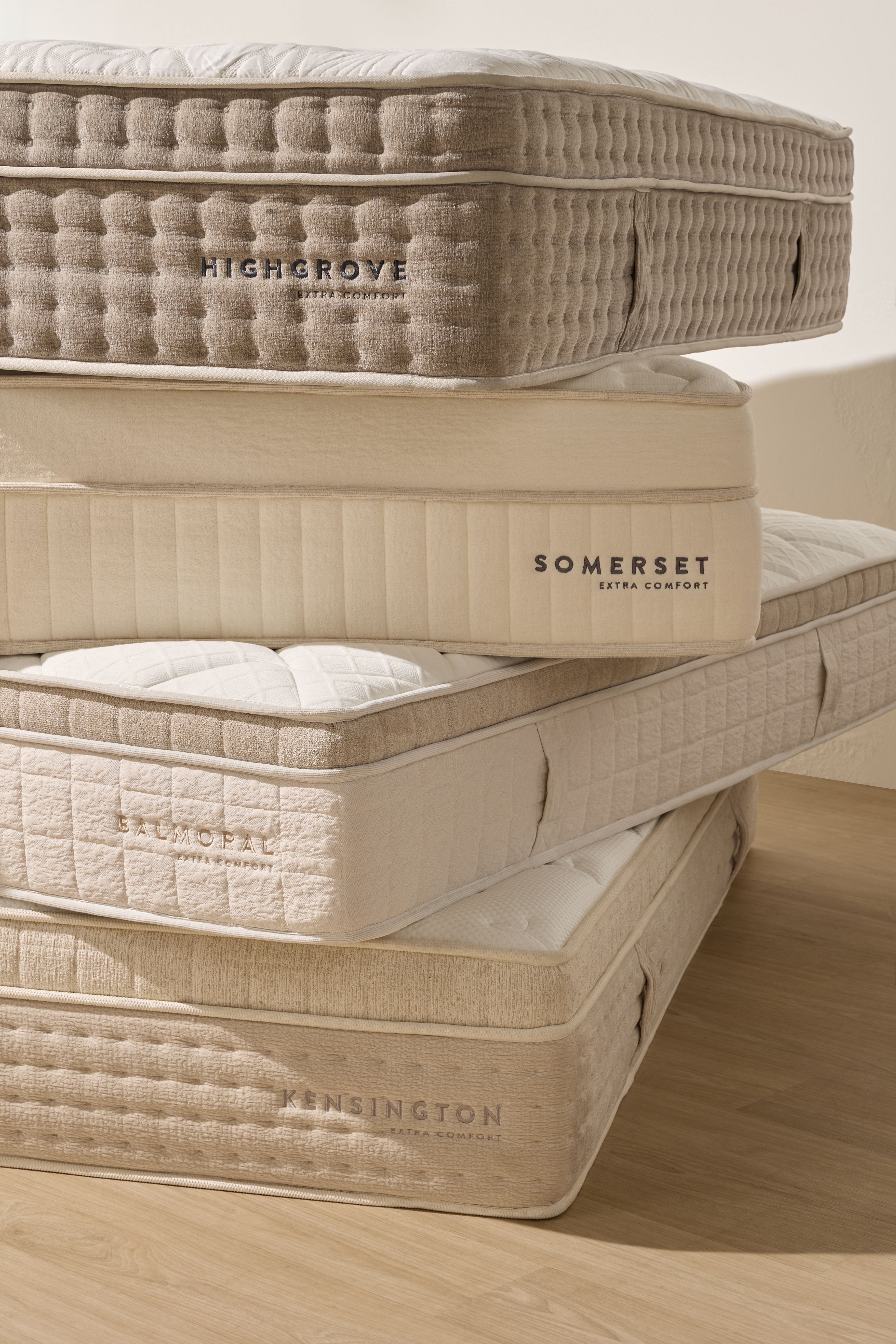
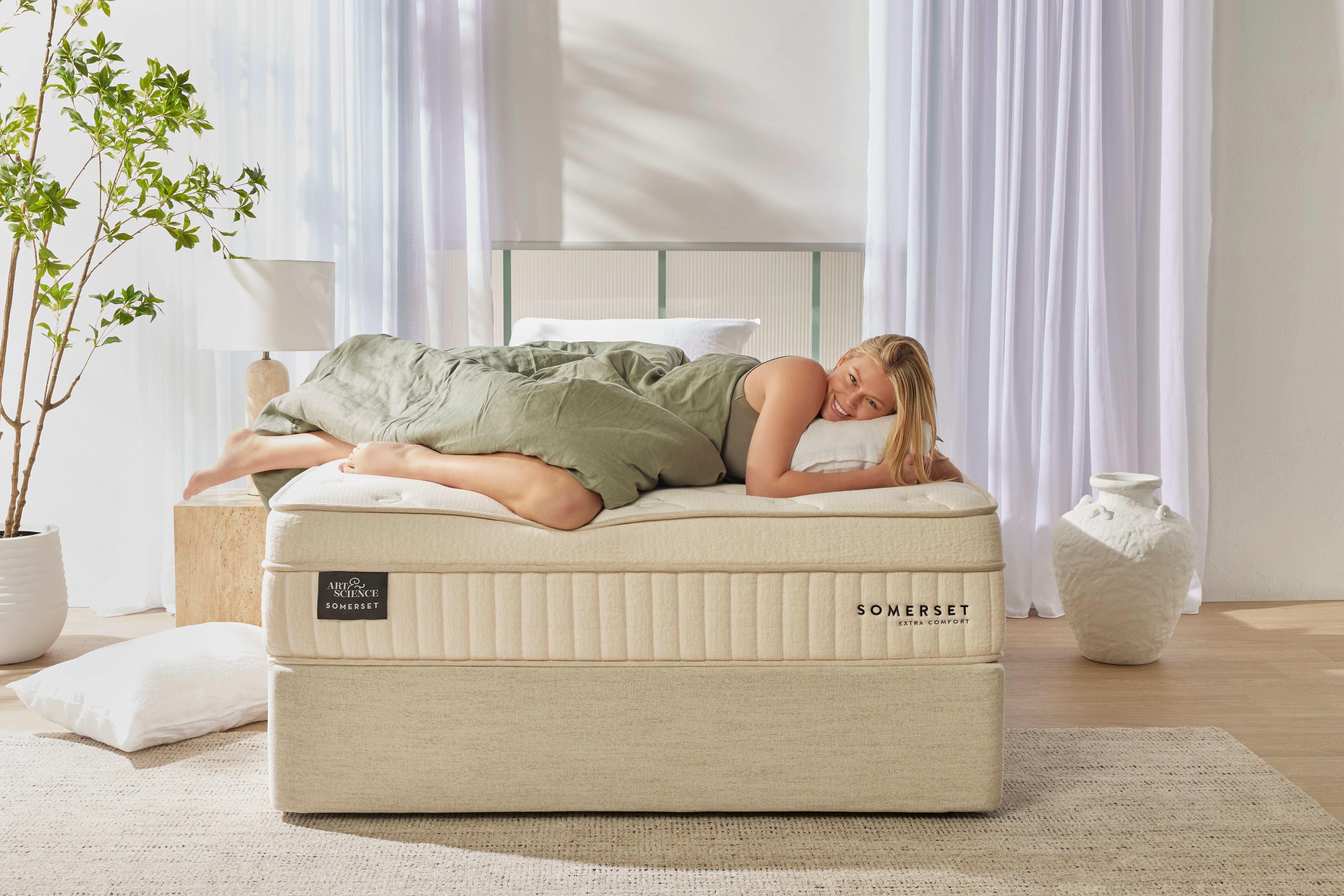
If your mattress causes pressure points, heat build-up, or poor support, your body keeps adjusting instead of relaxing — delaying sleep without you fully realising why. Medium-firm suits many adults, though side sleepers may prefer slightly more cushioning at the shoulder and hip.
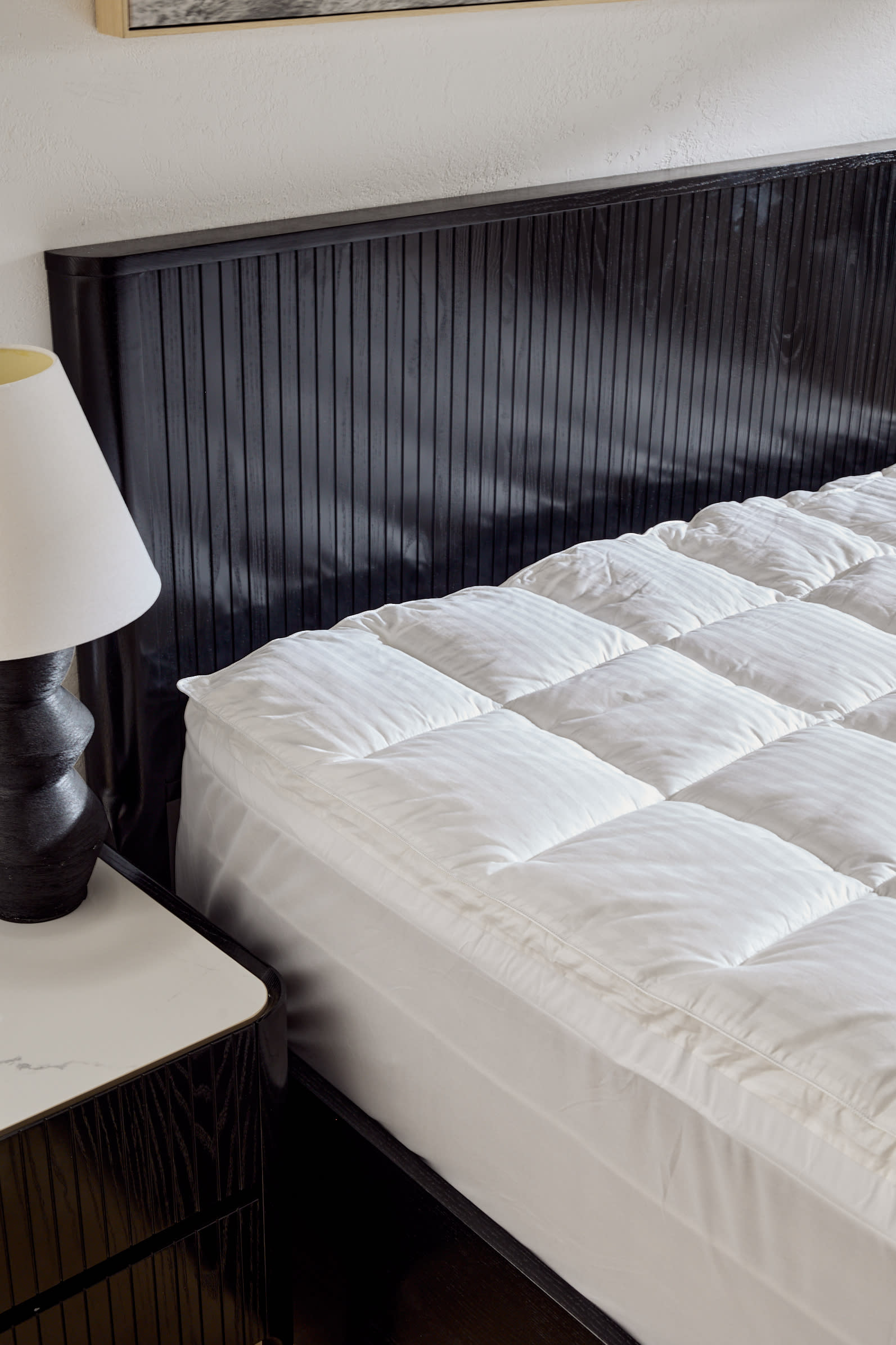
Breathable bedding makes a real difference too. Cotton percale, linen, or bamboo-style fabrics help manage heat and moisture, especially in warm or humid conditions. Your pillow also matters — it should keep your neck in a neutral position. Side sleepers generally need a higher loft; back sleepers do better with medium support.


What to Do When You Can't Fall Asleep
If you've been lying awake for about 20 minutes and feel frustrated, get up. Sit somewhere dim and quiet, and do something calming until you feel sleepy again. Staying in bed while stressed builds a negative association between your bed and wakefulness — the opposite of what you need.
Keep lights low and avoid your phone. Try reading, breathing exercises, or a body scan. Also try the cognitive shuffle — think of random, unconnected images like "apple, bridge, sock, cloud." This interrupts organised thinking and helps your brain drift.
Most importantly, turn the clock away. Time-checking increases pressure, and pressure makes sleep harder.
Screen Time and Technology Habits Before Bed
Blue light from phones and tablets suppresses melatonin and signals to your brain that it's still daytime. Aim to put screens away 30 to 60 minutes before bed — if that feels hard, start with 15 minutes and build from there.
Blue light glasses may help slightly, but reducing screen use is more effective. Replace scrolling with reading, gentle stretches, light journalling, or setting up for the next morning. The mental stimulation of social media and news keeps your brain alert even after you put the phone down.
Food, Drink and Supplements That Help You Fall Asleep
If you need a late snack, keep it light — yoghurt, a banana, oats, or wholegrain toast are better than spicy, fatty, or sugary foods. For drinks, warm milk or caffeine-free herbal tea can help some people relax. Avoid anything that triggers reflux or wakefulness.
Caffeine can stay in your system for hours — many people sleep better cutting it off by early afternoon. Melatonin can help with jet lag or delayed sleep timing but isn't the right fix for every sleep problem. Magnesium and herbal options like valerian show mixed results; check for interactions with any medicines before using them.
Exercise and Movement for Faster Sleep
Regular movement reduces stress, improves sleep drive, and supports better sleep quality. Even a brisk daily walk makes a difference. Walking, cycling, swimming, resistance training, and yoga can all support sleep onset — the best option is the one you'll do consistently.
Timing matters. Morning or afternoon exercise tends to work best. If evening workouts leave you feeling wired, move them earlier. For gentle evening movement, try neck rolls, hip stretches, or child's pose — slow and easy, not intense.
Managing Anxiety and a Racing Mind at Bedtime
Don't argue with every thought at bedtime. Instead, notice it, label it, and return to your breath or a calming image. Simple redirection works better than force.
Journalling before bed helps unload mental clutter — write down what's bothering you and what needs doing tomorrow. A worry dump takes this further: list every worry, then write one next step beside each real problem. This stops your brain treating bedtime like planning time.
Grounding and mindfulness techniques — focusing on what you can feel or hear right now — bring attention back to the present instead of spiralling into what-ifs.
How to Fall Asleep Fast in Specific Situations
• When travelling: Bring familiar comfort items, use earplugs or a sleep mask, and stick as closely to your normal routine as possible.
• On hot nights: Cool your room with a fan, use breathable bedding, and take a cool shower before bed.
• After a stressful day: Prioritise a proper wind-down routine, avoid screens, and use breathing or relaxation techniques before getting into bed.
• With shift work: Keep your sleep space dark and quiet, use blackout curtains, and maintain a consistent sleep schedule even on days off.
Sleep Hygiene Habits That Speed Up Sleep Onset
• Keep consistent sleep and wake times every day
• Use your bed only for sleep — not work or scrolling
• Cut caffeine by early afternoon
• Get natural light in the morning to anchor your body clock
• Wind down with low-stimulation activities in the last hour before bed
• Keep your bedroom cool, dark, and quiet
When to See a Doctor About Trouble Falling Asleep
See a GP if sleep issues last more than a few weeks, significantly affect daily life, or come with loud snoring, gasping, low mood, or severe fatigue. Insomnia is diagnosed when there's ongoing difficulty falling or staying asleep despite having the chance to sleep. In Australia, support options include your GP, a psychologist, or a sleep clinic. Treatment may include CBT-I, sleep schedule adjustments, stress management, or short-term medication under medical advice.




Frequently Asked Questions
What is the fastest way to fall asleep?
A cool dark room, regular routine, and slow breathing are the most reliable starting points.
Why can't I fall asleep even when I'm tired?
You can feel tired but still be mentally alert. Stress, caffeine, blue light, or poor sleep habits often explain the mismatch.
What helps naturally without medication?
Consistent sleep times, less caffeine, lower evening light, a cool room, relaxation techniques, and regular exercise.
Does counting sheep work?
It can help by distracting you from stress, but breathing, body scans, or visualisation tend to work better.
Final Thoughts: Small Changes That Help You Fall Asleep Faster Tonight
Start with a few simple steps tonight: cool your bedroom, put your phone away earlier, try 4-7-8 breathing, keep lights low in the last hour, and skip late caffeine and heavy snacks.
Before bed, ask yourself: Is my room cool, dark, and quiet? Have I stopped screens early enough? Do I feel physically comfortable? Do I have a simple wind-down routine?
If not, change one thing first. Small shifts are easier to maintain, and they often lead to better sleep faster than a complete overhaul.