
Ways to Improve Your Sleep: A Complete Guide
Millions of Australians aren't getting enough sleep. Whether you're lying awake at 2am with a racing mind or waking up exhausted despite eight hours in bed, this guide covers the practical, evidence-based changes that actually make a difference.
Why Sleep Quality Matters
Poor sleep isn't just about feeling tired. Chronic sleep deprivation raises the risk of heart disease, type 2 diabetes, obesity, and weakened immunity. Mentally, even a few poor nights can increase anxiety, reduce concentration, and make emotions harder to regulate.
Most adults need 7–9 hours per night. Teenagers need 8–10 hours, and older Australians often find their sleep patterns shift — waking earlier and experiencing lighter sleep — which is normal but still manageable with the right habits.
Understanding Your Sleep Cycle
Sleep moves through cycles of light sleep, deep sleep, and REM sleep, each lasting roughly 90 minutes. Deep sleep is where your body repairs itself; REM is where memory consolidation and emotional processing happen. Most adults need 4–6 complete cycles per night — which is why you can clock eight hours and still feel unrested if those cycles are being interrupted.
Common Reasons You're Not Sleeping Well
The most common sleep disruptors in Australian households include:
● Stress and anxiety: A racing mind at bedtime is one of the leading causes of difficulty falling asleep.
● Irregular routines: Going to bed and waking at different times — especially on weekends — disrupts your circadian rhythm.
● Caffeine: Most people underestimate how long caffeine stays active. It has a half-life of around 5–6 hours, meaning a 3pm coffee still has half its effect at 8–9pm.
● Screen time: Blue light from phones and TVs suppresses melatonin production, making it harder to feel sleepy.
● Environmental factors: Heat, noise, and light are major sleep disruptors — particularly relevant in warmer Australian climates.
● Underlying health conditions: Sleep apnoea, restless leg syndrome, and chronic pain are common medical contributors to poor sleep that often go undiagnosed.
Building a Better Bedtime Routine
Consistency is the foundation of good sleep. Aim to go to bed and wake at the same time every day — including weekends. Your body's internal clock responds to regularity, and even two late nights can shift your rhythm enough to affect the whole week.
Wind down for at least 30–60 minutes before bed. Dim the lights, step away from screens, and do something low-stimulation: reading, a warm shower, light stretching, or calm music. Avoid working or watching anything high-adrenaline in the final hour before sleep.
Morning habits matter too. Getting natural light within 30 minutes of waking helps anchor your circadian rhythm and makes falling asleep easier that night.
How to Optimise Your Bedroom for Better Sleep
Your bedroom environment has a direct impact on sleep quality. Key factors to address:
● Temperature: The ideal sleep temperature for most Australians is 18–20°C. A room that's too warm is one of the most common reasons for fragmented sleep, particularly during summer.
● Light: Even small amounts of light can disrupt sleep. Block-out curtains or a sleep mask are simple, effective investments.
● Noise: If you can't control noise in your environment, a white noise machine or fan can mask disruptions effectively.
● Screens in the bedroom: A TV in the bedroom is consistently linked to poorer sleep. If removing it isn't an option, at minimum avoid using it in the 30–60 minutes before sleep.
Choosing the Right Mattress, Pillow and Bedding
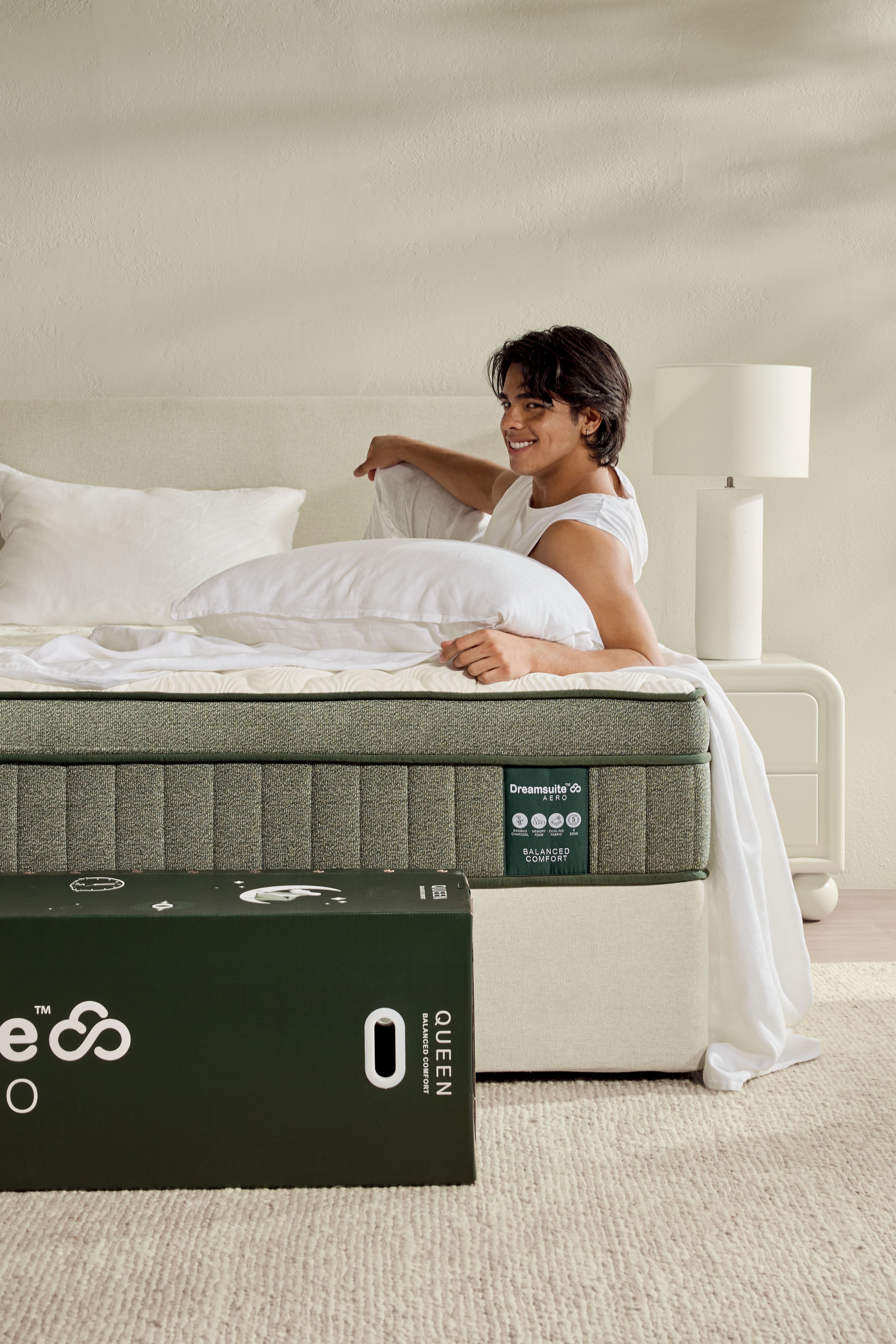
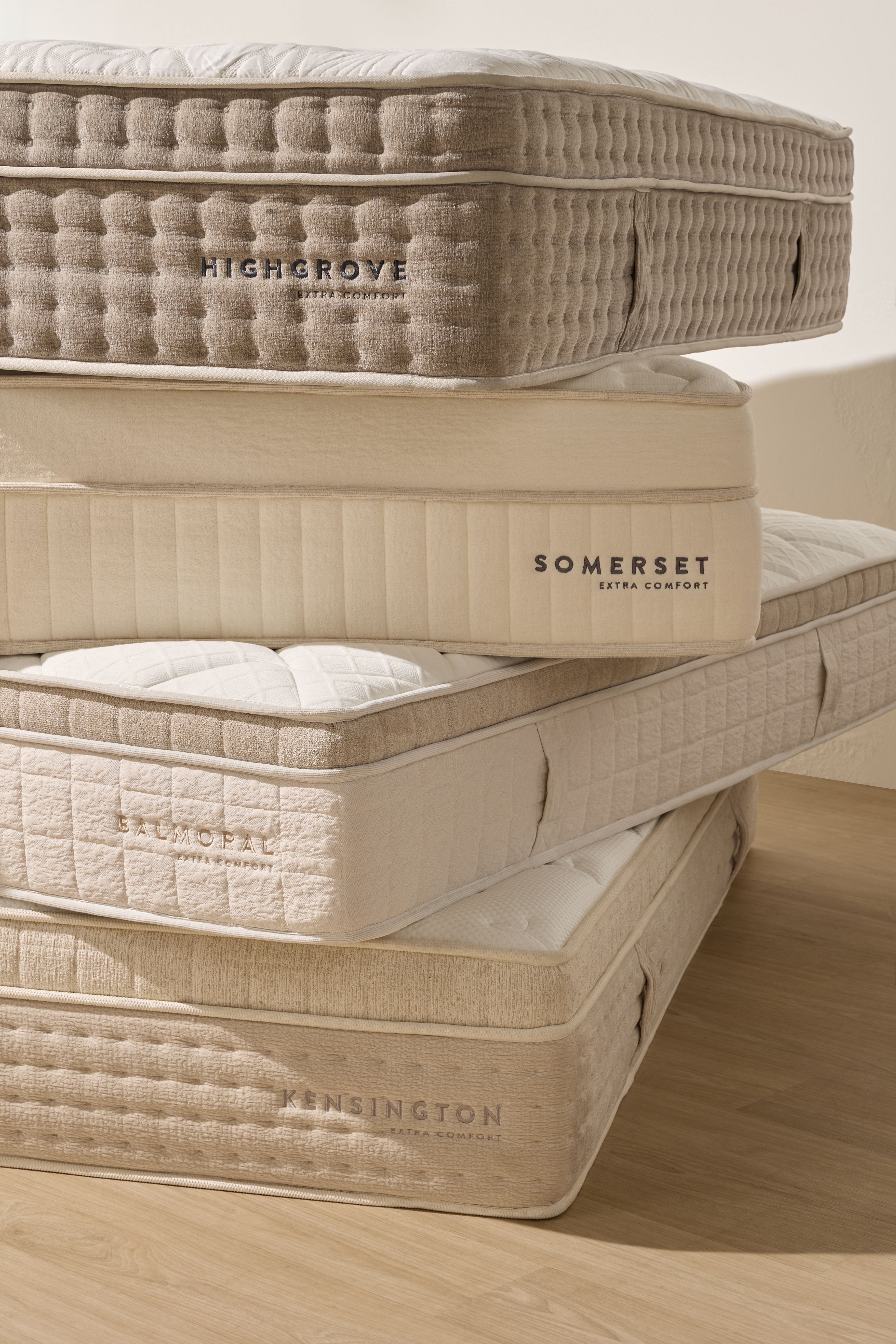
Your sleep setup matters more than most people realise. A mattress that doesn't suit your sleep position or body type creates pressure points, disrupts sleep, and contributes to back and neck pain. As a general guide:
● Side sleepers benefit from a softer to medium mattress that cushions the hips and shoulders.
● Back and stomach sleepers generally sleep better on a medium to firm surface.
● Hot sleepers should look for latex or pocket spring mattresses with good airflow rather than dense memory foam.
Mattresses should typically be replaced every 8–10 years. If yours is sagging, causing pain, or you're waking up stiff, it's worth reconsidering.
For pillows, match loft and firmness to your sleep position — side sleepers need a higher, firmer pillow to keep the spine aligned; back sleepers do better with a medium loft. For Australian climates, breathable bedding materials like cotton percale, bamboo, and linen help regulate temperature through warmer months.
Diet, Exercise and Lifestyle Habits for Better Sleep
What you eat and drink matters. Avoid heavy meals, alcohol, and caffeine in the hours before bed. While alcohol may help you fall asleep initially, it fragments sleep in the second half of the night and significantly reduces REM sleep. Foods rich in tryptophan (eggs, dairy), magnesium (nuts, leafy greens), and complex carbohydrates support better sleep.
Exercise is one of the most effective long-term sleep aids available. Regular moderate activity — even 30 minutes of walking daily — improves sleep quality over time. Avoid vigorous exercise within 2–3 hours of bedtime, as it raises cortisol and body temperature. Morning or early afternoon workouts are generally best.
Managing Stress and Screen Time for Better Sleep
If a racing mind keeps you awake, try structured wind-down techniques:
● Box breathing: Inhale for 4 counts, hold for 4, exhale for 4, hold for 4. Repeat several times.
● Progressive muscle relaxation: Tense and release each muscle group from feet to face.
● Journaling: Writing down tomorrow's to-do list or any lingering worries before bed can offload mental load and reduce overnight rumination.
● Mindfulness meditation: Even 10 minutes of guided meditation before sleep has measurable effects on sleep onset time.
Stop using screens at least 30–60 minutes before bed. If that's not realistic, enable night mode and reduce brightness. Blue light glasses have mixed evidence — changing screen habits directly is more effective.
Natural Sleep Aids Worth Considering
Several natural options have reasonable evidence behind them:
● Magnesium glycinate: Supports muscle relaxation and nervous system regulation — commonly recommended by Australian GPs for mild sleep issues.
● Melatonin: Available over the counter in Australia in low doses. Most useful for jet lag or shift work rather than general insomnia.
● Lavender aromatherapy: A diffuser or pillow spray is low-risk and easy to try, with some supporting evidence for its calming effect.
● Herbal teas: Chamomile, passionflower, and valerian have mild evidence for relaxation.
Consult a pharmacist or GP before starting supplements, particularly if you take other medications.
When to See a Doctor About Sleep Problems
If sleep problems persist beyond a few weeks despite good sleep hygiene, see a GP. Key warning signs include loud snoring or gasping during sleep (possible sleep apnoea), daytime exhaustion that doesn't improve with more sleep, and persistent insomnia affecting work or relationships.
Sleep apnoea is significantly underdiagnosed in Australia. At-home sleep studies are now widely available through clinics, and treatment with a CPAP device is highly effective.



Frequently Asked Questions
How Can I Fall Asleep Faster?
Struggling to drift off? Start by creating a calming bedtime routine. Avoid screens an hour before bed, as blue light disrupts melatonin production. Instead, try reading, meditating, or listening to soothing music. Keep your bedroom cool, dark, and quiet—ideal conditions for sleep. If your mind races, jot down your thoughts in a journal to clear your head. Consistency is key, so aim to go to bed and wake up at the same time daily—even on weekends.
Why Do I Keep Waking Up in the Middle of the Night?
Frequent wake-ups can stem from stress, caffeine, or even an uncomfortable sleep environment. Limit caffeine intake after midday and avoid heavy meals or alcohol close to bedtime. Stress management techniques like deep breathing or mindfulness can help calm your mind. If your room is too hot, noisy, or bright, make adjustments to create a more restful space. Persistent disruptions? It might be worth consulting a sleep specialist.
How Many Hours of Sleep Do I Really Need?
The magic number varies by age and lifestyle, but adults typically need 7–9 hours per night. Teens and children require more, while some older adults may function well on slightly less. Quality matters as much as quantity—deep, restorative sleep is essential for physical and mental health. Listen to your body: if you wake up refreshed and alert, you’re likely getting enough.
Is It Bad to Sleep with the Fan or Air Con On?
Sleeping with a fan or air con can be fine, but it depends on your sensitivity. Fans can circulate dust, which may irritate allergies, while air con can dry out your skin and throat. To minimise issues, clean your fan regularly and use a humidifier with air con. If it helps you stay cool and comfortable, it’s generally not a problem.
Does a New Mattress Really Improve Sleep?
Yes, a new mattress can make a world of difference—especially if your current one is over 7–10 years old or causing discomfort. A supportive mattress aligns your spine, reduces pressure points, and minimises tossing and turning. Choose one that suits your sleep style (e.g., firm for back sleepers, softer for side sleepers). Better sleep starts with the right foundation.
What Is the Best Sleep Position for Your Health?
The best position depends on your needs. Back sleeping is great for spinal alignment but may worsen snoring. Side sleeping is ideal for digestion and reducing snoring, while left-side sleeping is particularly good for heartburn. Stomach sleeping isn’t recommended as it strains the neck and spine. Use pillows to support your posture and keep your body aligned.
Final Checklist for a Better Night's Sleep in Australia
● Set a consistent bedtime and wake time — including weekends
● Stop caffeine by 2pm
● Put screens away 30–60 minutes before bed
● Keep the bedroom cool (18–20°C), dark, and quiet
● Invest in a mattress and pillow suited to your sleep position
● Use breathable bedding for Australian seasons
● Add 30 minutes of daily movement to your routine
● Try a wind-down technique: breathing, journaling, or meditation
● Limit alcohol, especially within 3 hours of sleep
● See a GP if problems persist beyond a few weeks
Better sleep isn't about one big change — it's about stacking small, consistent habits. Start with two or three from this list and build from there. Most people notice a meaningful difference within two to four weeks.